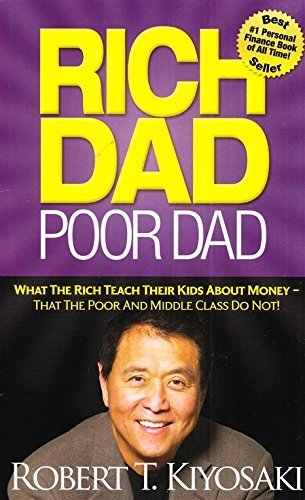
Rich Dad Poor Dad is a book by Robert Kiyosaki that teaches the importance of financial education. It compares two father figures — one who is “poor” and believes in working hard for a stable job, and one who is “rich” and believes in making money work for you through smart investing and building assets. The book says schools don’t teach us how to manage money, so we need to learn it ourselves. It explains the difference between assets (things that put money in your pocket) and liabilities (things that take money out). The main message is: don’t just work for money — build assets, learn about money, and become financially free.
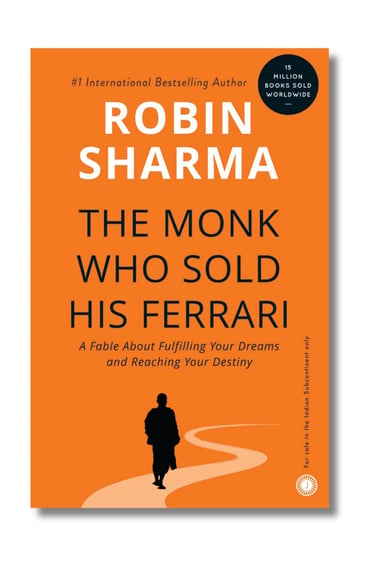
The Monk Who Sold His Ferrari tells the story of Julian, a stressed lawyer who sells his Ferrari and travels to India to find true happiness. He learns important life lessons about mindfulness, purpose, and self-discipline from sages. The book teaches how to live a balanced, meaningful life beyond material success.
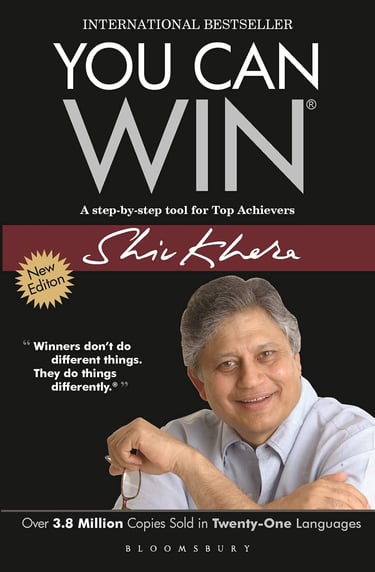
The book teaches how to build a positive attitude, develop self-confidence, and achieve success through character, hard work, and discipline. It’s based on the principle — “Winners don’t do different things, they do things differently.”
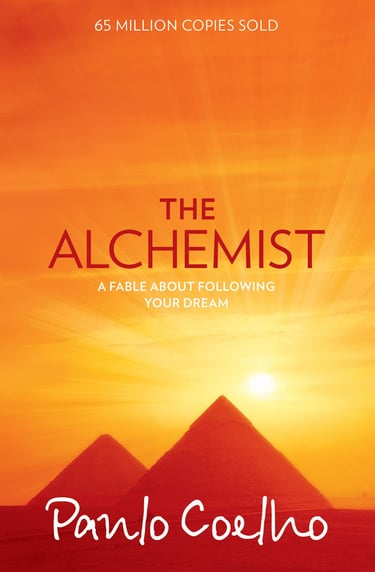
The novel tells the story of a young shepherd named Santiago who dreams of finding a hidden treasure near the Egyptian pyramids. His journey teaches him about following dreams, listening to his heart, and trusting the universe.
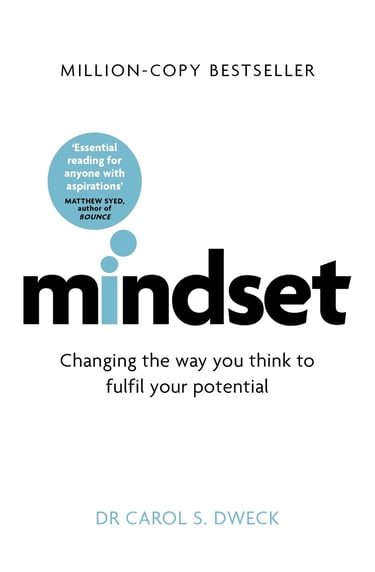
Mindset explores how our beliefs about intelligence and ability shape our success. Carol Dweck introduces two types of mindsets — the fixed mindset, where people believe their abilities are static, and the growth mindset, where they see challenges as opportunities to learn.
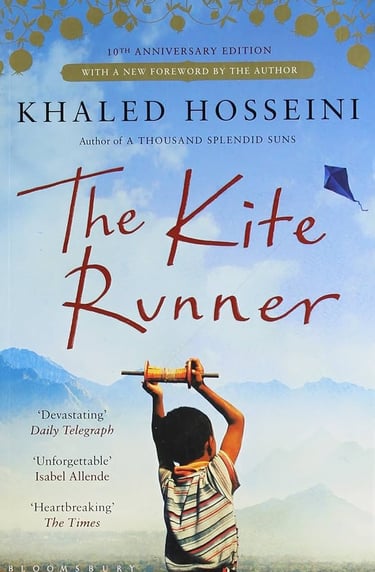
The Kite Runner is a deeply emotional story about friendship, guilt, and redemption set in Afghanistan. It follows Amir, a boy from Kabul, and his loyal friend Hassan, whose bond is tested by betrayal and the harsh realities of life.
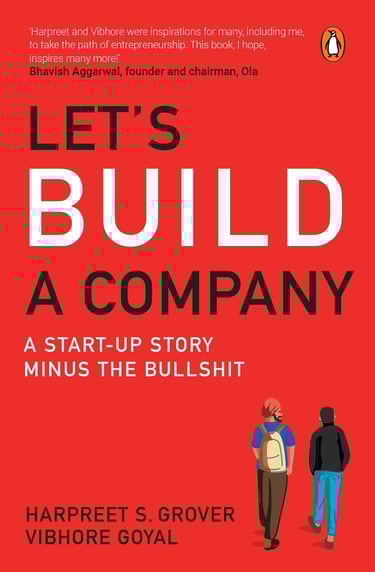
Let’s Build a Company is a brutally honest, humorous, and practical account of how the founders of Cocubes spent nearly a decade facing rejections, financial struggles, slow progress, and constant uncertainty, yet through persistence, execution, trust, and relentless problem-solving eventually built a successful startup that was finally acquired, proving that real entrepreneurship is less about glamour and more about surviving and learning from every setback.
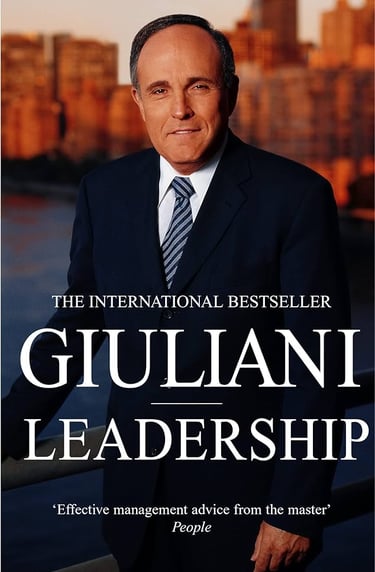
“Leadership” is Giuliani’s guide to effective leadership based on his experience as Mayor of New York City, focusing on principles like being prepared, surrounding yourself with strong, honest people, setting clear goals, communicating constantly, using data to make decisions, and leading from the front especially during crises, illustrated most strongly through his actions during the 9/11 attacks, where he emphasizes calmness, visibility, and decisive action as the core of real leadership.
Written by Rhonda Byrne, The Secret focuses on the concept of the Law of Attraction, which suggests that positive thoughts and strong belief can influence life outcomes. The book is motivating and promotes optimism and self-confidence.


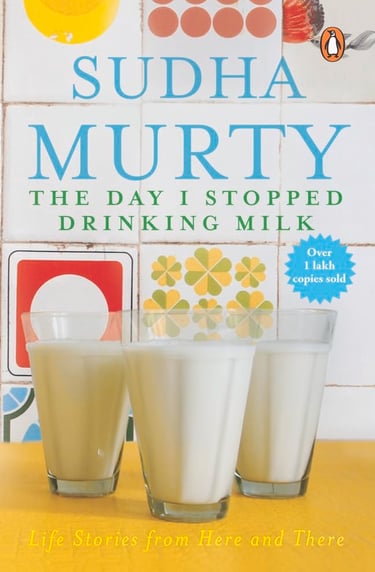
Written by Sudha Murty, this book is a collection of real-life experiences and reflections. Through simple stories, the author highlights values such as kindness, empathy, humility, and social responsibility. The book is easy to read and leaves a lasting impression through its moral insights.
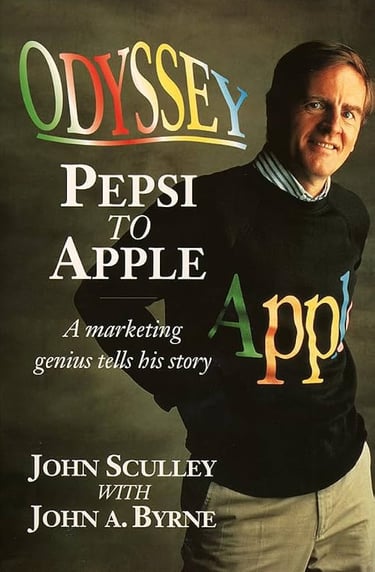
Odyssey: Pepsi to Apple is a corporate autobiography by John Sculley, who worked as CEO at PepsiCo and later at Apple. In this book, he shares his journey from the beverage industry to the technology world. The book gives clear insights into leadership, decision-making, and the challenges of managing large organizations during times of change.